
“Some books give answers. The best ones make us ask better questions.
May every page open a new door to curiosity, discovery, and thought.”
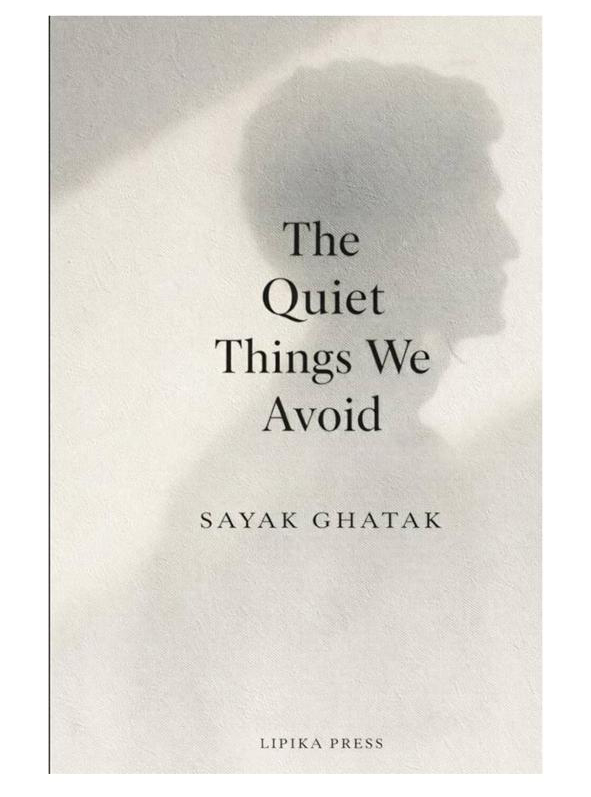

The Quiet Things We Avoid is a deeply thought-provoking book. It makes you pause and question the identity, fears, and beliefs you carry every day. A meaningful read for anyone interested in self-discovery and personal growth.
This book stayed with me long after I finished reading it. The writing is simple yet powerful, especially the parts about identity, fear, and the stories we tell ourselves. Highly recommended for readers who enjoy reflective and philosophical books.
One of those rare books that makes you look inward. The Quiet Things We Avoid explores self-awareness and the hidden parts of our identity in a very relatable way. I found myself highlighting several passages.
A beautifully written book about self-discovery, identity, and the things we often avoid confronting. It doesn't give you easy answers—instead, it encourages you to ask better questions. Definitely worth reading.
I loved how this book challenges the idea of who we think we are. The author's approach to fear, memory, relationships, and identity feels honest and deeply human. A great choice for anyone looking for a meaningful contemporary book.
The Quiet Things We Avoid is quiet, introspective, and surprisingly powerful. Every chapter made me reflect on different choices and beliefs in my own life. A thoughtful book for anyone on a journey of personal growth.
This is more than just a book—it feels like a conversation with yourself. The themes of identity, fear, memory, and self-discovery are handled beautifully. One of the most thought-provoking books I've read recently.
Reviews
There are no reviews yet.